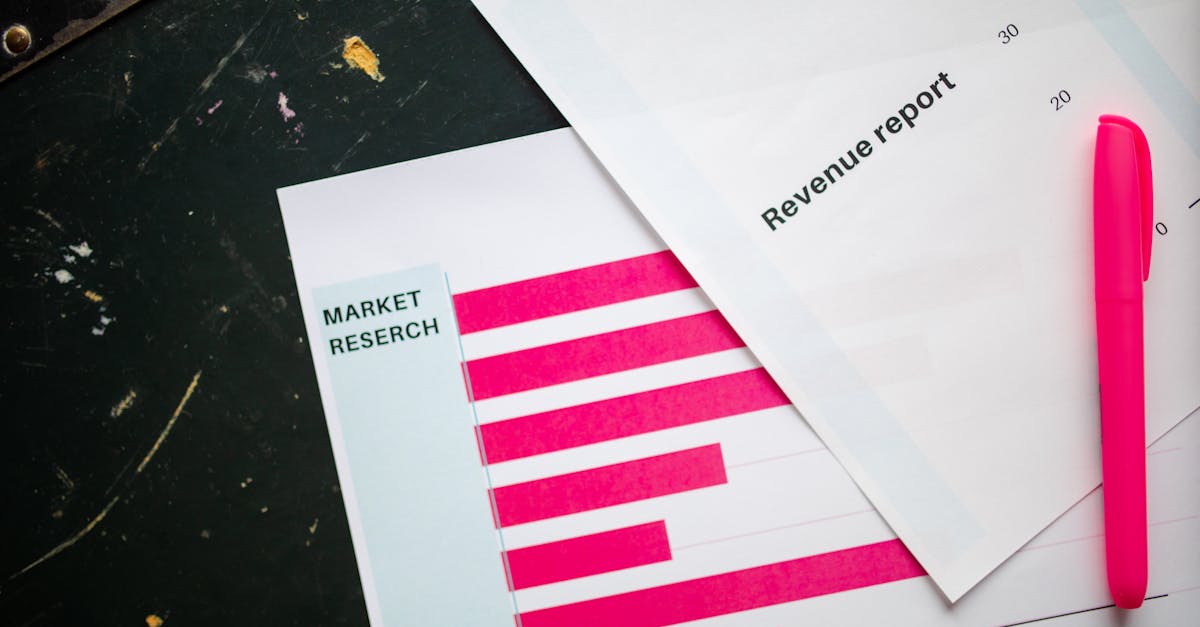
A small-team dashboard should reduce argument, not decorate uncertainty. The useful metric has an owner, a source, a review cadence, a threshold, and a next action when the number changes.
Use this page to decide which KPI guide fits the problem before adding more charts.

KPI Routing Table
Use this table before adding or removing a dashboard metric.
| Metric problem | Use this guide | Pass condition |
|---|---|---|
| Nobody acts on the number | define KPIs | decision and owner are named |
| Dashboard feels busy | dashboard mistakes | one chart maps to one action |
| Marketing reports drift | marketing KPIs | campaign action threshold is visible |
| Weekly meetings repeat | weekly review | next action and owner are recorded |
Define The Decision First
Use the vanity metrics guide when a number looks impressive but nobody knows what decision it changes. A KPI earns space only when it changes behavior.
Clean The Dashboard
Use the dashboard mistakes guide when the screen has too many charts, unclear owners, stale data, or no visible action threshold.
Build The Weekly Rhythm
Use the weekly review guide when the team needs a repeatable meeting structure: what changed, why it changed, what owner acts, and what gets reviewed next week.
Easy KPIs Guides In This Cluster
- Read A Practical Weekly KPI Review Routine when reporting routines is the next practical problem.
- Read A Simple KPI Dashboard Checklist For Small Teams when kpi planning is the next practical problem.
- Read Dashboard Mistakes To Fix Before Adding More Charts when dashboard design is the next practical problem.
- Read How To Define KPIs Without Building A Vanity Metrics Wall when business metrics is the next practical problem.
- Read Marketing KPIs Small Businesses Can Actually Use when marketing kpis is the next practical problem.
How To Use Easy KPIs Without Making The Topic Heavier
- Pick the guide that matches the next decision instead of opening every article at once.
- Use the worksheet, table, script, or routine card inside the guide before making the next change.
- Save finance, accounting, data integrity, and business-critical interpretation questions for qualified owners.
- Review the result after one real cycle and keep only the steps that made the decision clearer.
Review The KPI After One Reporting Cycle
A KPI guide is useful only if someone acts on the number. After one reporting cycle, check whether the metric had an owner, a source, a threshold, and a decision that changed because the number moved.
- Keep metrics that changed a decision, investigation, or owner action.
- Move noisy numbers out of the main dashboard before adding new charts.
- Write the threshold that turns observation into action.
- Return to the hub when definition, dashboard cleanup, marketing review, or weekly rhythm becomes the next blocker.
KPI Boundary Checks
A dashboard guide can improve definitions and review habits, but it should not pretend that a number is reliable without a trustworthy source, owner, and business context.
| Signal | What to do | What to avoid |
|---|---|---|
| Data source is unclear | verify source and calculation owner | building a chart from mystery data |
| Metric affects money decisions | bring in finance or operations owner | letting vanity numbers drive spend |
| No one acts on it | remove or redefine the KPI | keeping charts for decoration |
The narrow purpose of this hub is to reduce wandering. Each linked guide has a concrete artifact, a decision point, and a boundary check, so the next action can be chosen from the situation in front of you rather than from a long archive. Use the hub again when the first guide produces a result and a more specific follow-up question appears.
This hub exists to make KPI dashboard guides easier to navigate on easykpis.com. Start with the closest problem, use the concrete artifact, then move to the next guide only when it answers a real follow-up question.